Money Saving

The Best Time to Subscribe: Seasonal Pricing Secrets That Save You Hundreds

Subscription prices aren't set in stone. They follow predictable seasonal patterns, and the people who know those patterns save a small fortune every year. Here's the calendar nobody shares.

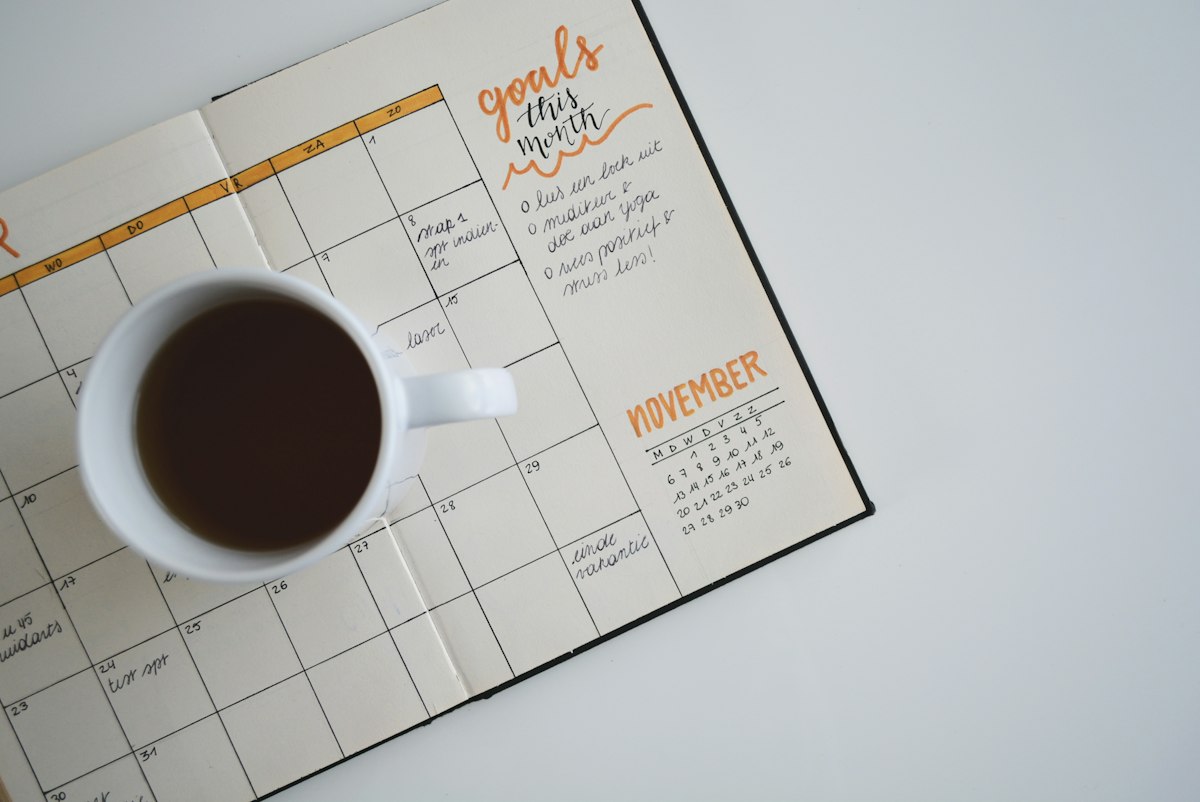
Calendar and planning workspace for timing subscription deals
35%

Average savings by timing subscriptions to seasonal deals

$200+/yr

Saved per year with strategic subscription timing

78%

Of subscription deals happen in just 4 key months

When Do Subscription Deals Actually Happen?

Subscription pricing follows a surprisingly predictable rhythm. Companies don't randomly decide to slash prices on a Tuesday in August. They run promotions during specific windows when they know people are most likely to sign up, when competitors are launching big content, or when their quarterly numbers need a boost. Once you see the pattern, you can't unsee it.

Think of it like buying a car. Everyone knows December is deal season at dealerships because salespeople are desperate to hit annual targets. Subscriptions work the same way, just with different months and different motivations. Here's the month-by-month breakdown of when to pull the trigger and when to wait.

January

New Year, New Deals on Fitness and Wellness

January is the Super Bowl of fitness subscription deals. Every gym, wellness app, and meditation platform on the planet knows you just made a resolution, and they're tripping over each other to be the app you pick. Peloton typically drops its app-only subscription to the lowest price of the year. Calm and Headspace offer 40-50% off annual plans. ClassPass runs extended free trials. Even physical gyms slash initiation fees and offer the first month free.

The smart play: if you've been eyeing a fitness subscription, January is objectively the cheapest time to start. Lock in an annual plan at the discounted rate. Just make sure you actually use it past February. A $50 annual plan you abandon in March is more expensive than the $13/month plan you'd have canceled in February.

March / April

Spring Streaming Wars Heat Up

Spring is when streaming services roll out their biggest original content. New seasons, new shows, new reasons to subscribe. And when one service launches a blockbuster, the others respond with their own promotions to prevent subscriber losses. This competitive pressure creates a window where introductory offers and extended free trials pop up across the board.

Watch for services bundling months together at a discount, or offering a free month when you prepay for three. This is also when newer or smaller streaming platforms get aggressive to build their subscriber base. If you've been using a subscription rotation strategy, spring is an excellent time to rotate into a new service at a promotional rate.

June / July

Back-to-School Prep Deals Start Early

Back-to-school season starts earlier than most people realize, and it's not just about notebooks and backpacks. Education apps, productivity tools, and student discount programs launch their deals in early summer. Apple's education pricing kicks in, Microsoft offers student bundles, and apps like Notion, Grammarly, and Duolingo run summer promotions aimed at students gearing up for fall.

Even if you're not a student, many of these deals apply to educators, parents, or anyone with a .edu email address. Some productivity tools offer summer pricing to anyone, banking on the idea that people will stick around after the discount expires. Grab annual plans on tools you know you'll use all year.

September

Fall Lineup Launches and Desperate Signups

September is the streaming industry's equivalent of the fall TV premiere season. Every major platform launches flagship content to capture viewers settling into fall routines. Netflix, Max, and Disney+ all tend to debut high-profile series and films in September, and with that comes a wave of promotional pricing to maximize launch viewership.

Fitness subscriptions also see a second wave of deals in September, as the back-to-routine energy mirrors the January motivation spike. It's not as aggressive as New Year's pricing, but you'll find solid promotions from apps trying to capture the fall workout crowd. If you missed the January fitness deals, September is your second chance.

November

Black Friday and Cyber Monday: The Motherlode

If you're only going to time one subscription purchase all year, make it November. Black Friday and Cyber Monday produce the deepest discounts on annual subscription plans across every category. We're talking 40-75% off. Hulu has historically offered its ad-supported tier for $0.99/month for a year. VPN services like NordVPN and Surfshark drop to $2-3/month on multi-year plans. Software like Adobe Creative Cloud, Grammarly Premium, and productivity suites all hit their lowest annual prices.

The strategy here is simple: identify the subscriptions you know you'll use all year, cancel your current monthly plan before Black Friday, and re-subscribe at the discounted annual rate during the sale. Yes, you might go a few days without the service. That's the price of saving $50-100 per subscription. Make a list in October so you're ready to move fast. The best deals sell out or expire within 48 hours.

December

Holiday Gifting Deals and Year-End Clearance

December brings two deal categories. First, gift subscription deals: services package discounted gift cards and gift subscriptions for the holidays. Buying a year of Spotify or Apple Music as a gift (even to yourself) is often 15-25% cheaper than the regular annual price in December. Second, year-end clearance: companies that need to hit Q4 subscriber targets push last-minute deals in the final two weeks of the year.

The gift card angle is underrated. Retailers like Costco, Target, and Best Buy sell discounted subscription gift cards during the holidays. A $100 Apple Gift Card for $80 effectively gives you 20% off any Apple subscription for the year. Stack that with any service-level promotion and you're looking at serious savings.

What's the Best Time to Subscribe by Category?

Different subscription categories follow different pricing rhythms. A deal calendar that works for streaming won't work for software, and what's true for fitness doesn't apply to news. Here's a category-by-category breakdown so you can time each subscription type perfectly.

Savings calculation with calculator and financial planning

Streaming Services

Best months: November (Black Friday annual deals), September (fall premiere promotions), March/April (spring content launches).

Streaming deals are driven by two forces: content launches and competitive pressure. When Netflix drops a massive series, Hulu and Peacock respond with discounts to keep you from leaving. When Disney+ launches a Marvel or Star Wars property, everyone else runs retention offers. These windows create short-lived promotions that can save you 30-50% if you're paying attention.

The worst time to subscribe to streaming? Right after a price increase. Services typically raise prices in Q1 and offer zero promotions for 2-3 months afterward. If you see a price increase announcement, wait for the inevitable promotional response from competitors rather than absorbing the new price.

Fitness and Wellness Apps

Best months: January (New Year's resolution pricing), September (back-to-routine deals).

The fitness industry practically gives subscriptions away in January. Peloton has offered 60-day free trials. Calm drops its annual price by 40%. Strava Premium runs discounts that don't appear at any other time of year. The logic is straightforward: gyms and apps know that most January signups will stick around for months paying full price even after they stop working out. They're happy to discount the entry price because the lifetime value math works in their favor. Use that to your advantage by locking in the annual rate, but set yourself a reminder in Subcut so you can honestly evaluate whether you're still using it before the renewal hits.

Software and Productivity Tools

Best months: November (Black Friday for annual plans), June/July (back-to-school pricing).

Software subscriptions are where Black Friday really shines. Adobe Creative Cloud regularly drops 40-50% off its annual plan during Black Friday, saving you $250+ compared to the regular price. Grammarly Premium, Notion, and other productivity tools follow suit. If you use the annual vs. monthly calculator on any of these during November, the annual plan wins by a landslide. The summer back-to-school season is your backup window, especially for tools that offer student or educator pricing.

News and Media Subscriptions

Best months: End of quarter (March, June, September, December), election cycles, Black Friday.

News outlets run on subscriber targets that reset quarterly. When the quarter is ending and they're short on numbers, promotional pricing appears. The New York Times, Washington Post, Wall Street Journal, and The Athletic all follow this pattern. You'll see "first year for $1/week" or "$4/month for 12 months" offers pop up in the final two weeks of each quarter. Election years are also goldmines for news subscription deals, as outlets compete for the surge in reader interest. If you're subscribing to news in a non-election year, target quarter-end windows for the best introductory rates.

Gaming Subscriptions

Best months: November/December (holiday sales), June (E3/Summer Game Fest deals), service launch windows.

Xbox Game Pass, PlayStation Plus, and Nintendo Switch Online all hit their lowest annual prices during holiday sales. Xbox Game Pass Ultimate for $1 for the first month is a recurring promotion around the holidays. When a new tier or service launches, expect aggressive introductory pricing that won't be repeated. The gaming industry also runs deals around major gaming events in June, when announcements generate excitement and services want to convert that hype into subscribers.

When Should You Lock In an Annual Plan vs. Stay Monthly?

Annual plans save money. Everyone knows that. What most people get wrong is when to commit. Locking into an annual plan at the wrong time is like buying a year's supply of a food you've only tried once. You might love it. You might abandon it after two months and eat the cost.

Here's the rule of thumb: stay monthly until you've used a service consistently for at least 6 months, then switch to annual during the next seasonal deal window. This approach combines the flexibility of monthly billing with the savings of annual plans. You never lock in too early, and you always lock in at the best possible price.

Go Annual When:

  • You've used the service at least 3 times per week for 6+ months
  • A Black Friday or seasonal deal drops the annual price below what you'd pay monthly
  • It's a core service you can't imagine canceling (your primary streaming platform, your go-to productivity tool)
  • The annual vs. monthly math shows at least 20% savings and you've passed the 6-month usage test

Stay Monthly When:

  • You signed up less than 3 months ago and are still in the "honeymoon phase"
  • You're using a rotation strategy and only need the service for 2-3 months at a time
  • The service has a history of frequent price increases and you want the flexibility to leave
  • You use it fewer than 3 times per week, which means the per-use cost is still high even at the annual rate

How Do You Set Up Price Drop Alerts for Subscriptions?

You know the deal window. Now you need to make sure you don't miss it. Nobody's going to sit around refreshing Hulu's pricing page every day in November. The goal is to set up systems that notify you so you can act quickly when the right deal appears.

Here are the most effective approaches, ranked by reliability:

1. Email newsletters from the services you want

Sign up for email lists of every subscription you're considering. Most services send promotional offers to their email lists before (or exclusively to) their general audience. Create an email filter so these go into a "Deals" folder rather than cluttering your inbox. When the deal drops, you'll see it.

2. Google Alerts

Set up Google Alerts for phrases like "Netflix deal," "Spotify discount," or "Adobe Creative Cloud sale." Google will email you when new pages matching those terms are indexed. It's not instant, but it catches most major promotions within a day or two of launch.

3. Deal aggregator sites

Sites like Slickdeals, RetailMeNot, and Honey track subscription deals across hundreds of services. Set up deal alerts for specific subscription categories. These communities are fast: deals often get posted within minutes of going live.

4. Use a subscription tracker with renewal alerts

A tracker like Subcut alerts you before each renewal date. When you get that alert, spend 60 seconds searching for a current promotion. If there's a deal available, cancel and re-subscribe at the lower rate. If not, your renewal goes through as normal. The alert is the trigger that prevents you from sleepwalking through renewals at full price.

Why You Should Stagger Your Subscription Renewals

Here's a mistake almost everyone makes: letting all their subscriptions renew in the same month. If you signed up for five services during a Black Friday sale, congratulations, you got great deals. But now every November, you've got $400+ in annual renewals hitting your credit card simultaneously. That's a financial gut punch that makes it hard to evaluate each subscription on its own merits.

The stagger strategy is simple: spread your annual renewals across different months so no single month is a budget-buster. Here's how to do it:

  • 1.List every subscription and its renewal date. Use your bank statement, Apple/Google subscription settings, or a tracker like Subcut to see when everything renews. Identify any months where multiple annual renewals cluster.
  • 2.Cancel and re-subscribe to shift renewal dates. If three services all renew in November, cancel one and re-subscribe in January, another in March, and keep the third in November. You'll pay a prorated month or two at the monthly rate for the transition, but the long-term budgeting benefit is worth it.
  • 3.Align renewals with deal windows. When staggering, try to place each subscription's renewal in its best deal month. Put fitness subscriptions on a January renewal cycle. Put software on a November cycle. Put streaming services on a September or November cycle. This way, every renewal is a chance to grab a seasonal discount.
  • 4.Set a monthly subscription budget ceiling. Once renewals are staggered, you'll have a clearer picture of your monthly subscription cost. Set a ceiling and enforce a one-in-one-out rule: adding a new subscription means canceling an existing one. This prevents the creeping growth that undoes all your careful timing work.

The stagger strategy also has a psychological benefit: when only one or two subscriptions renew each month, you're forced to evaluate each one individually. It's much easier to decide "Is this specific service worth $120/year?" than to face a wall of renewals and either keep everything or cancel in a panic. Deliberate, spread-out decisions lead to better outcomes than annual purges.

Your Subscription Deal Calendar for 2026

Here's everything condensed into a quick-reference calendar. Bookmark this page and check it before signing up for anything new. The five minutes you spend timing your subscription could save you $50-100 on that single purchase.

January

Fitness, wellness, meditation apps. The best deals of the year on gym memberships and workout subscriptions.

March / April

Streaming services running spring content promotions. Look for extended free trials and introductory offers.

June / July

Education apps, productivity tools, student discounts. Back-to-school deals start early.

September

Fall streaming premieres and fitness back-to-routine deals. Second-best window for both categories.

November

The motherlode. Black Friday/Cyber Monday annual plan deals across every category. Plan ahead.

December

Gift subscription deals, discounted gift cards, and year-end clearance pricing from services chasing Q4 targets.

The months not on this list (February, May, August, October) are generally the worst times to subscribe. These are "dead zones" with minimal promotional activity. If you find yourself wanting to sign up for something in August, ask yourself: can this wait until September or November? If it can, your patience will literally pay you back.

Of course, rules have exceptions. A service might launch a surprise promotion at any time, or you might need something right now regardless of pricing. The calendar isn't a straitjacket. It's a cheat sheet. Use it when you can, ignore it when you must, and you'll still come out ahead of the 90% of subscribers who never think about timing at all.

Frequently Asked Questions

What is the cheapest month to subscribe to streaming services?

November is consistently the cheapest month, thanks to Black Friday and Cyber Monday promotions. Services like Hulu, Peacock, and Paramount+ have historically offered 50-75% off annual plans during this window. September is the second-best option, as fall premieres drive competitive promotional pricing across platforms. If you're flexible on timing, canceling your current plan in October and re-subscribing during Black Friday week can save you $50-100 per service per year.

Is it better to subscribe annually or monthly?

Annual plans save 15-30% compared to monthly billing, but only commit to annual on services you've used consistently for at least 6 months. Stay monthly for services you're still evaluating, ones you rotate seasonally, or anything you use fewer than 3 times per week. The worst financial move is paying for an annual plan you cancel after 4 months. Use the annual vs. monthly calculator to run the exact numbers for your situation.

When do fitness apps and gym memberships go on sale?

January is the best month by far, with 20-40% off annual plans and extended free trials of 30-60 days. Every fitness app, gym chain, and wellness platform runs New Year's resolution promotions. September is the second-best window, with a smaller but still significant round of deals tied to back-to-routine energy. If you're signing up for fitness subscriptions in any other month, you're likely paying full price.

How can I get notified when a subscription goes on sale?

Sign up for email newsletters from the services you want (they send exclusive deals to subscribers first), set Google Alerts for "[service name] deal" or "[service name] discount," and check deal aggregator sites like Slickdeals regularly during key months. A subscription tracker like Subcut can alert you before renewals so you can check for active promotions before your plan auto-renews at full price.

Do subscription services offer discounts if you cancel and come back?

Yes, many services offer win-back deals to returning customers. After canceling, expect a discounted offer within 2-4 weeks via email, sometimes as much as 50% off for 3-6 months. Netflix, Hulu, and Max are known for this tactic. Some services also present a retention offer during the cancellation process itself. The key is to actually complete the cancellation rather than just navigating to the cancel page and backing out. Commit to canceling, and let the deals come to you.

Time Your Subscriptions Perfectly

Track every subscription, get renewal alerts before you're charged, and never miss a seasonal deal window. Subcut makes strategic subscription timing effortless.

Download Subcut Free