There was a time when you bought a car and the heated seats just... worked. Now BMW wants $18/month for that. Here is how we got here, and why your toaster might be next.
March 5, 2026
Global subscription economy market size in 2026
Growth rate of subscription businesses over the last decade
Of adults have at least one subscription (up from 53% in 2019)
The subscription model is not new. What is new is how aggressively it has spread into every corner of consumer life. Here is the timeline of how we went from newspaper deliveries to paying monthly for heated seats in a car we already own.
Newspapers and magazines invented the subscription model centuries ago. You paid upfront, they delivered content to your door. Simple. Honest. The product could not be software-locked. Nobody charged you extra to read page 7.
Netflix launched DVD-by-mail in 1999, then streaming in 2007. Spotify followed in 2008. The pitch was compelling: why buy albums for $15 each when you can stream everything for $10/month? Why own shelves of DVDs when a single login gives you thousands of movies? Consumers embraced it. The "access over ownership" revolution had begun, and it felt like progress.
Adobe moved Photoshop from a $700 purchase to a $21/month subscription in 2013, and every software company watched their stock price and took notes. The SaaS explosion meant you no longer owned any of your tools. Streaming wars ignited as Disney+, HBO Max, and Apple TV+ launched. Meal kit subscriptions arrived. Your razor blades came in the mail. Suddenly, recurring charges were everywhere.
This is where things got absurd. Software, hardware, food, fitness, cars, toiletries, pet food, AI chatbots, printer ink, tractor diagnostics, car seat heaters. If it exists, someone has figured out how to charge you monthly for it. The subscription economy statistics tell the story: 435% growth in a decade, and the line shows no sign of flattening.
The pattern is clear: every decade, subscriptions eat a new industry. Newspapers. Music. Movies. Software. And now? Physical products you already paid for.
This is not random. There are very specific, very calculated reasons why every company on Earth is trying to convert you from a customer into a subscriber. Understanding these reasons is the first step to protecting yourself.
Wall Street loves Monthly Recurring Revenue (MRR) and Annual Recurring Revenue (ARR) because they make financial forecasting predictable. A company that sells $100 products has to find new customers constantly. A company with 10,000 subscribers at $10/month knows it will make roughly $100,000 next month without doing anything. That predictability commands higher stock valuations.
A customer who buys a $120 product once is worth $120. A subscriber paying $10/month for three years is worth $360. Even if you would never have bought the product three times, the subscription extracts that value through sheer duration. The math is brutally simple, and it always favors the company.
$10/month feels vastly more affordable than $120 upfront, even though they are the same amount over a year. Companies know this. The lower barrier to entry gets more people through the door, and once they are in, inertia takes over. Studies show the average person underestimates their total monthly subscription spending by 2.5x.
Here is the uncomfortable truth: it is harder to cancel something than to simply not buy it. Companies know that a significant percentage of subscribers will forget about the charge, feel too lazy to cancel, or keep thinking they will "use it more next month." This is not a bug. It is the core mechanic. Dark patterns in cancellation flows make it even worse.
A one-time purchase tells a company nothing about how you use the product after you buy it. A subscription creates an ongoing data pipeline: usage patterns, feature preferences, engagement frequency. This data feeds product development, targeted upselling, and makes the company more valuable to investors and advertisers alike.
If you ever wondered whether subscriptions have gone too far, here is your answer. These are real products that became subscriptions, and every single one of them will make you question the trajectory of capitalism.
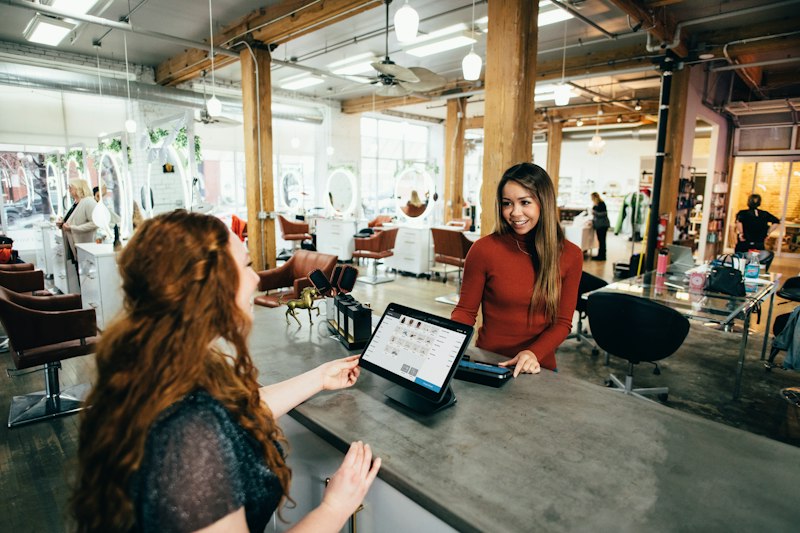
Your car has the heating hardware installed. BMW just software-locked it. Pay $18/month, or $415 for "unlimited" access to hardware you already bought. The BMW heated seat subscription became a symbol of everything wrong with the subscription model trend. BMW eventually rolled it back in some markets after massive consumer backlash.
Cancel your HP ink subscription and your printer will refuse to print, even with full cartridges. They remotely disable your ink cartridges. That is not a metaphor. HP literally bricks the ink you paid for if you stop subscribing. DRM on ink. We are living in a dystopian comedy.
Farmers cannot repair their own tractors without proprietary dealer software and service subscriptions. A tractor. The machine that represents self-sufficiency now requires a software subscription to diagnose and fix. This became a rallying point for the right-to-repair movement.
Spend $3,000 on a stationary bike that becomes an expensive clothes rack if you cancel the $44/month subscription. Without it, you lose access to classes, metrics, and most of the features that justified the price tag. The hardware is the hook. The subscription is the revenue.
Some Tesla features, including acceleration boosts and rear seat heaters, have been available as subscription unlocks or one-time software purchases. The hardware sits in your car. Tesla decides via software whether you can use it. The subscription model trend has reached your driveway.
Some smart ovens and connected coffee makers now require subscriptions for full recipe access, remote control, or firmware updates. Your oven can cook at 350 degrees without a subscription, but guided cooking and app features? That will be $9.99/month. The subscription creep into your kitchen is real.
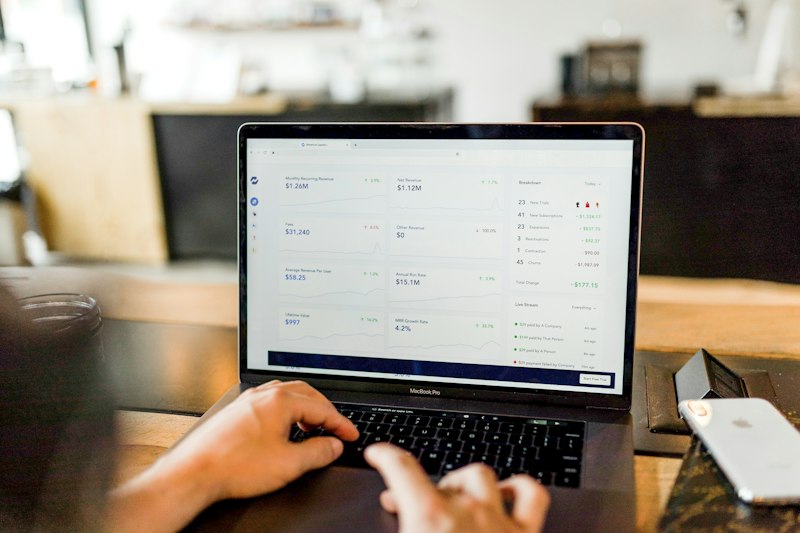
There is a specific, repeatable playbook that companies use to convert physical products into recurring revenue machines. Once you see the pattern, you will notice it everywhere. Here is how subscription creep works:
The initial purchase feels like a deal. The Peloton bike, the HP printer, the smart oven. The price seems reasonable because the company is not trying to make money on the hardware. They are buying your commitment.
The hardware "works" without the subscription, technically. But the experience is intentionally degraded. Your bike is just a bike. Your printer prints slowly. Your oven is just an oven. The good stuff requires a connected account.
Now the real pricing reveals itself. $10/month. $20/month. $44/month. To use the thing you already bought. The monthly fee is where the actual profit lives. The hardware was just the door.
Canceling feels wasteful. You spent $3,000 on that bike. $400 on that printer. Walking away means admitting the hardware is useless without the subscription. So you keep paying. This is the razor-and-blade model on steroids. Except now the razor refuses to shave unless you keep subscribing.
The good news: consumers are fighting back. Subscription fatigue is not just a buzzword. It is a measurable, accelerating trend that is forcing companies to reconsider the worst subscription models.
Google searches for "subscription fatigue" have increased 300% since 2020. Consumers are overwhelmed by the sheer volume of recurring charges. The average American household now manages 12 active subscriptions, and roughly a third of people say they have more subscriptions than they realize. The backlash against subscriptions is moving from sentiment to action.
BMW reversed its heated seat subscription program in several markets after the story went viral and consumer outrage became a PR disaster. When the worst subscription models generate more negative press than revenue, companies notice. Public shaming works, and social media has made it easier than ever to organize boycotts of the most egregious subscription practices.
The FTC's Click-to-Cancel rule requires companies to make cancellation as easy as sign-up. No more 45-minute phone calls to cancel a gym membership. No more hidden cancellation pages buried seven clicks deep. The EU is cracking down on dark patterns that trick users into subscribing or make cancellation deliberately confusing.
Right-to-repair legislation is directly challenging the practice of software-locking hardware features behind subscriptions. If you own the hardware, you should be able to use it, fix it, and modify it. This movement scored major victories with tractor repair and smartphone parts, and it is coming for every product that gates physical capabilities behind recurring fees.
Marketplaces like AppSumo have built entire businesses around "lifetime deal" alternatives to subscriptions. Consumers are actively seeking out one-time purchase options, and some companies are offering them as a competitive advantage against subscription-only competitors. The pendulum is swinging.
The subscription economy is not going away. But it is going to change shape. Here is what the future of the subscription economy looks like, based on current trends and regulatory momentum.
There are currently dozens of AI chatbots charging $20/month. The market cannot sustain this many players at this price point. Expect aggressive consolidation, bundling, and a race to the bottom on pricing as the AI subscription bubble deflates into a more sustainable ecosystem.
More automakers will experiment with feature subscriptions. But legal challenges will follow. Expect class-action lawsuits challenging the practice of selling hardware and then charging extra to use it. The courts will eventually draw a line.
Remember when we cut the cord to escape cable bundles? Subscription bundling is accelerating. Disney+/Hulu/ESPN+, Apple One, Amazon Prime. The unbundling of the 2010s is being re-bundled in the 2020s. The subscription economy trends for 2026 point toward more mega-bundles.
More companies will offer subscription pausing instead of cancellation to reduce churn. It is psychologically easier for a customer to pause than to cancel. Expect pause options becoming standard across streaming, fitness, and SaaS platforms by 2028.
The EU is already cracking down on deceptive subscription practices. The FTC's Click-to-Cancel rule is just the beginning in the US. Expect legislation requiring clear disclosure of total subscription costs, mandatory easy cancellation, and restrictions on software-locking physical product features.
As subscription counts per household continue rising, consumer tools for tracking and managing subscriptions will shift from nice-to-have to essential financial hygiene. Just like you use a bank to manage money, you will use apps like Subcut to manage the dozens of recurring charges draining your accounts.
You cannot opt out of the subscription economy entirely. But you can be strategic about it. Here is how to avoid unnecessary subscriptions and keep the ones you have under control.
Before purchasing any connected device, smart appliance, or tech product, search for "[product name] subscription required." If the hardware needs a monthly fee to function fully, factor that into the total cost. A $200 device with a $10/month subscription costs $440 over two years.
Today's free feature is tomorrow's premium upsell. Companies routinely launch with generous free tiers, build user dependency, then move features behind paywalls. Look for language like "currently included" or "complimentary for a limited time" in terms of service.
When a one-time purchase option exists, do the math. If a subscription costs $10/month and the one-time version is $60, the one-time purchase pays for itself in six months. Lifetime deals, perpetual licenses, and buy-once apps are worth seeking out.
Right-to-repair laws directly combat the worst subscription abuses. When you own the hardware, you should be able to use all of its capabilities without ongoing payments. Supporting this legislation sends a message to companies that software-locking physical features is not acceptable.
Use Subcut to see every subscription in one place. Get alerts before renewals, spot price increases the moment they happen, and identify subscriptions you have forgotten about. The average person saves $200+ per year just by auditing their subscriptions quarterly.
Companies respond to cancellations faster than complaints. When a subscription model is predatory, cancel and tell them why. When a competitor offers a one-time purchase, choose it. Consumer behavior is the most powerful force shaping the future of the subscription economy.
Companies have shifted to subscription models because they generate predictable recurring revenue, increase customer lifetime value, and are rewarded by Wall Street with higher stock valuations. A subscription creates ongoing cash flow instead of one-time purchases, makes financial forecasting easier, and builds in customer inertia. The subscription economy reached $275 billion in 2026, and every industry from automotive to agriculture has adopted the model.
The subscription economy refers to the broad shift from one-time purchases to recurring payment models across industries. It encompasses streaming services, software-as-a-service (SaaS), subscription boxes, connected hardware with recurring fees, and pay-per-use models. The global subscription economy is valued at approximately $275 billion in 2026 and has grown 435% over the past decade, covering everything from Netflix and Spotify to BMW heated seats and HP printer ink plans.
Legally, yes, if you agreed to it in the terms of service. Companies like BMW, Tesla, and Peloton have sold hardware where certain features are software-locked and require ongoing subscription payments to access. The hardware is physically capable, but the software restricts it unless you pay. Consumer backlash and right-to-repair legislation are pushing back, and some companies have reversed subscription plans for pre-installed features in certain markets.
Before buying any hardware, check if it requires a subscription to fully function. Read fine print on free-tier features that might become paid. Favor products with one-time purchase options when available. Use a subscription tracker like Subcut to monitor all recurring charges and catch subscription creep early. Set calendar reminders before free trials end, and review your subscriptions quarterly to cancel anything unused for 30+ days.
The subscription economy faces growing sustainability challenges. Subscription fatigue is rising, with searches for the term up 300% since 2020, and consumers are actively cutting services. The FTC's Click-to-Cancel rule is making it easier to unsubscribe, and EU regulators are cracking down on dark patterns. Analysts predict consolidation, increased bundling, and more government regulation by 2030. The model will survive, but the most predatory applications will face consumer and regulatory resistance.
The subscription economy is not slowing down. But you do not have to let it drain your wallet. Subcut tracks every subscription in one place, alerts you before renewals, and helps you cut what you do not need. See exactly where your money goes every month.
Download Subcut - Free for iPhoneTrack every subscription. Catch price increases. Cancel what you don't use.