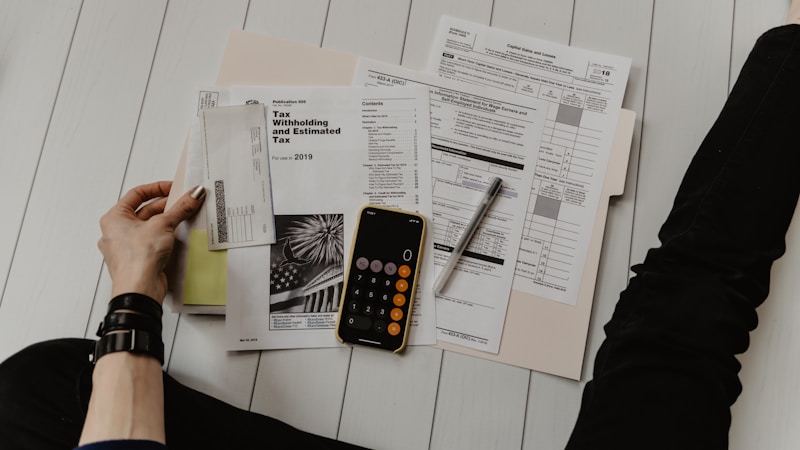
Timing is not just everything in comedy. It is also the difference between $1,200 saved and $1,200 wasted on subscriptions you forgot to cancel.
There is an art to buying groceries. You do not walk into the store on an empty stomach, you compare unit prices, you know that the strawberries in January are going to taste like sadness wrapped in a plastic clamshell. Yet when it comes to subscriptions -- something you will pay for month after month, year after year -- most of us sign up with all the strategic planning of a squirrel crossing a highway.
Here is the thing: when you subscribe matters almost as much as whether you subscribe. Sign up for a streaming service the day after a new season drops, and you have a full month to watch everything before deciding whether to renew. Sign up two days before the season drops, and you have just burned 28 days of your billing cycle staring at the old catalog you have already watched. That is not a small difference. Over a year, poor timing across multiple subscriptions can cost you hundreds of dollars in wasted overlap, missed cancellation windows, and unnecessary renewals.
A subscription calendar is not just an organizational tool. It is a strategic weapon. It tells you exactly when to sign up for maximum value, when to cancel before renewal charges hit, when annual deals typically drop, and how to stagger your subscriptions so no single month decimates your bank account. Think of it as a financial planner, but instead of stocks and bonds, it manages the 12-17 recurring charges that quietly eat your paycheck.
This guide walks you through building your own subscription calendar from scratch. By the end, you will have a system that saves you money on autopilot. And yes, the irony of needing a system to manage the systems you are paying for is not lost on us.
"Subscribe with intention, not at 2 AM because you saw an ad."
The number one enemy of a clean subscription calendar is the impulse sign-up. You see an ad for a productivity app while procrastinating. You are tired. You are optimistic about future-you's work ethic. You click "Start Free Trial." Three weeks later, the trial converts to a paid plan, and you have opened the app exactly once to set up your profile picture. Sound familiar? Studies suggest that roughly 48% of subscription sign-ups happen outside of normal working hours, and those subscriptions are cancelled at nearly twice the rate of daytime sign-ups. Late-night you is not your financial advisor. Do not let that person make purchasing decisions.
The fix is simple: implement a 48-hour rule. When you find a subscription you want, add it to a waiting list in your notes app or in Subcut. If you still want it two days later during daylight hours with a clear head, subscribe. If you have forgotten about it by then, congratulations -- you just dodged another recurring charge. The subscription economy thrives on impulse. Your calendar thrives on patience.
Most people have subscriptions renewing on random dates scattered across the month like confetti. Netflix on the 7th, Spotify on the 14th, iCloud on the 22nd, gym on the 1st, that random app on the 29th. This makes it nearly impossible to understand what you are spending because the charges are spread across your bank statement like a treasure hunt where the treasure is disappointment.
Where possible, align your billing dates. Many services let you change your billing date in account settings. If not, you can cancel and resubscribe on your preferred date (most services maintain your data for a grace period). Aim to have all your subscriptions renew within the same 5-day window, ideally the 1st through 5th of each month. This way, you can do one monthly check on the 28th of the previous month to review everything that is about to renew and make informed keep-or-cancel decisions in a single sitting.
Annual plans save 15-40% compared to monthly billing. That is real money. But the annual plan trap is signing up for a year before you know whether you will actually use the service long-term. Going annual too early is like proposing on the first date -- enthusiastic, sure, but statistically unwise.
The sweet spot is three months. Start every new subscription on a monthly plan. Use it actively for three months. If after three months you are using it regularly and expect to continue, switch to annual during the next deal window. If you are not using it regularly by month three, you never will, and you should cancel immediately. Paying $45 for three months of testing is far cheaper than paying $120 for a year of a service you stop using in March. For a detailed breakdown of when annual plans are actually worth it, see our guide on the annual plan trap.
"Patience is a virtue. And also a 50% discount."
Subscription pricing is not static. Almost every service offers significant discounts at predictable times of year. Knowing when these deals happen lets you time your sign-ups and annual renewals for maximum savings. Here is the month-by-month breakdown of when the best deals typically land.
Every fitness app, meditation app, and health service drops their prices in January because New Year's resolution energy is their biggest revenue driver. Peloton, Apple Fitness+, Headspace, Calm, Noom, and MyFitnessPal all run January promotions with 2-3 months free on annual plans. If you want any of these services, January is the time to lock in your rate. Do not sign up in March at full price just because you finally got motivated. Wait for the calendar to work in your favor. Set a reminder for January 2nd every year. The deals are that predictable.
Here is something most people do not realize: publicly traded companies operate on quarterly cycles, and their desperation to hit subscriber targets creates predictable windows of opportunity. The last two weeks of each quarter are when companies are most likely to offer retention deals, win-back offers, and aggressive discounts. This is when the "we miss you" emails actually come with meaningful coupons attached. If you are thinking about canceling a service, do it in the first week of a new quarter. You will get the retention offer, and the company has three months to forget about you before the next desperate push.
Back-to-school season means discounts on learning platforms like Coursera, Skillshare, and MasterClass, as well as productivity tools like Notion, Todoist, and even Adobe (which offers student pricing that is dramatically cheaper). Even if you are not a student, many services run general promotions during this period to capitalize on the "fresh start" energy of a new academic year. If you have been eyeing a creative or productivity tool, September is often your best bet outside of Black Friday.
This is the Super Bowl of subscription deals. Annual plans for SaaS tools, streaming services, VPNs, cloud storage, and creative software drop 30-60%. NordVPN regularly offers 70% off multi-year plans. Canva Pro drops to nearly half price. Even services that never go on sale occasionally make an exception for Black Friday. But here is the counterintuitive advice: do not sign up for anything new on Black Friday. Use it exclusively to convert your existing monthly subscriptions to annual plans at discounted rates. A 60% discount on something you have never tried is still 100% more than you were spending on it yesterday. That is not a deal. That is a trap wearing a festive hat.
The most underused subscription hack of all time: the retention offer. When you initiate cancellation on many services, they offer you a discount to stay. Netflix, Hulu, Spotify, and many SaaS tools have retention flows that offer 20-50% off for one to three months. Some people cancel and resubscribe every few months specifically to trigger these offers. It is not elegant, but it works. The worst case is they let you cancel at regular price. The best case is you get the same service for half the cost. We cover this in detail in our guide to haggling subscription prices.
"Cancel early, cancel often, cancel without guilt."
This is the single habit that separates people who waste money on subscriptions from people who do not. Set a reminder 3-5 days before every subscription renewal. When the reminder fires, ask yourself three questions: Did I use this service in the past 30 days? Will I use it in the next 30 days? Is there a cheaper alternative that does the same thing? If the answer to the first two is no, cancel. If the answer to the third is yes, swap (check our 15 subscription swaps for ideas). This single habit, consistently applied, saves $50-100 per month. Subcut's renewal reminders make this automatic -- you get a notification before each charge, giving you time to evaluate rather than being blindsided by a debit you forgot about.
Here is a fact that changes everything: when you cancel most subscriptions, you keep access until the end of your current billing period. Cancel Netflix today, and you can still watch until your renewal date. Cancel Spotify, same deal. Cancel Apple subscriptions through the App Store, same thing. This means there is zero risk in canceling early. You lose nothing. You just prevent the next charge. So whenever you decide you are done with a service, cancel that minute. Do not wait. Do not tell yourself you will "do it later." Later is how subscription companies print money. Every hour you delay is an hour closer to another charge you did not want to pay. For service-specific cancellation instructions, check our cancellation guides.
Free trials are designed with one goal: to make you forget to cancel. The 7-day trial is the worst offender because it is just long enough to seem generous but short enough that life gets in the way of your cancellation plan. The 30-day trial is better, but it has its own trap -- you sign up, use it heavily for three days, forget about it for 25 days, and then get charged on day 31.
Here is the move that separates subscription ninjas from subscription victims: cancel the free trial immediately after signing up. Yes, right away. Most services (including all Apple App Store subscriptions) let you keep access for the full trial period even after cancellation. You get the full trial experience, and there is zero risk of an unwanted charge. If the service does not let you keep access after canceling, set a reminder for two days before the trial ends. Not one day. Two. Because "I will do it tomorrow" is the eight-word prayer of the subscription industry.
"Not every subscription needs to be permanent. Some are seasonal guests."
Some subscriptions are seasonal by nature, and treating them that way can save you serious money. The mistake most people make is subscribing once and leaving everything on autopilot forever. A smarter approach is thinking of subscriptions in seasons.
Lock in annual deals from January sales. Cancel services you signed up for during the holiday frenzy and have not touched since. Review any annual plans that are about to auto-renew from the previous year. This is also when fitness and wellness subscriptions are cheapest, so if you genuinely want one, now is the time.
Many services announce price increases in Q1 that take effect in Q2. Check every subscription for price changes you might have missed in a notification email you never opened. Cancel anything that crept up in price without adding features. Consider pausing indoor fitness apps as the weather improves -- five months of outdoor exercise saves $50-75 in subscription fees.
Summer is traditionally when fewer new shows drop on streaming services, making it the ideal time to pause or cancel streaming subscriptions and use free alternatives like Tubi or Pluto TV. Pick streaming back up in September when fall premiere season starts. Also watch for back-to-school deals on productivity and education tools in August and September.
October is for making your Black Friday shopping list. Write down which existing monthly subscriptions you want to convert to annual plans. Do not add anything new to the list in the heat of the moment. November is for executing: convert to annual, grab the deals you planned for, ignore everything else. December is for enjoying the holiday content drops on streaming services you strategically resubscribed to.
The rotation strategy alone -- subscribing to streaming services seasonally instead of keeping all of them year-round -- can save $30-50 per month. Most services keep your data and preferences when you cancel, so when you resubscribe three months later, everything is exactly where you left it. It is like the service was in a cryogenic chamber, just waiting for you to come back. Except instead of costing millions in liquid nitrogen, it saved you $150.
"A plan without execution is just a wish with better formatting."
Here is the step-by-step process for building a subscription calendar that actually saves you money. Set aside 30 minutes. You will not need more than that.
Open Subcut and import your App Store subscriptions automatically. Then manually add subscriptions billed through other methods (credit card, PayPal, direct debit). For each one, record the name, monthly cost, renewal date, and billing cycle. This is your baseline. If you have never done this, brace yourself: the total is almost always higher than expected. The average American spends over $200 per month on subscriptions.
Essential: you would notice within 24 hours if it disappeared (internet, phone plan, primary cloud storage). Useful: you use it regularly and it adds clear value (a streaming service you watch weekly, a design tool for work). Questionable: you are not sure when you last used it, or you keep it "just in case" like that fondue set in the back of your closet. Cancel the Questionable ones now. If you miss them, resubscribe. Spoiler: you will not miss most of them.
In Subcut, set a reminder 3-5 days before each renewal date. When the reminder fires, you spend 30 seconds deciding: keep or cancel. Without reminders, charges renew on autopilot. With reminders, every renewal becomes a conscious decision. This alone can save $30-100 per month because you will catch renewals you would have otherwise sleepwalked through.
Set calendar events for the first Saturday of January, April, July, and October. During each 20-minute review, look at the big picture: total monthly spend, any new charges since last review, upcoming annual renewals, and whether any services have raised prices. This quarterly session turns subscription management from a reactive panic into a proactive strategy.
Before the sales start, write down which existing monthly subscriptions you want to convert to annual at a discount. Stick to the list during the sale. Do not add anything new in the heat of the moment. Having a pre-made list prevents the "well, it is 60% off, so I might as well" trap that adds three new subscriptions you never planned for. A budget for deals sounds contradictory, but it is the difference between strategic saving and impulsive spending wearing a discount code as a disguise.
Let us run the numbers on a real scenario. Imagine you have 12 subscriptions totaling $180 per month. Without a calendar, the typical pattern is: sign up randomly, forget to cancel unused services, miss renewal dates, pay full price year-round, and wonder where all the money went.
That is a 50% reduction in subscription spending from timing and awareness alone, without giving up any service you actually use. The forgotten subscriptions are gone because you never used them anyway. The annual plans save money on services you were going to keep regardless. The deal timing costs you nothing but patience. And the streaming rotation gives you the same content on a staggered schedule.
This is not extreme frugality. This is not giving things up. This is just being intentional about when and how you subscribe. The subscription economy makes its money from your inattention. A subscription calendar is your attention, structured and weaponized. If you want a more intensive approach, try our 30-day subscription cleanse to get started.
For most subscriptions, the 1st of the month is ideal because it aligns your billing cycle with calendar months, making tracking easier. For streaming services, subscribe when new content you want drops and cancel after you finish watching. For free trials, start on the day you plan to actively use the service so you maximize the trial period. The key is being intentional rather than impulsive about the start date.
Black Friday and Cyber Monday in November offer 40-60% discounts on annual plans across nearly every category. January brings fitness and wellness deals. August and September have education and productivity sales. The last two weeks of each quarter see retention offers as companies scramble to hit subscriber targets. Many services also offer discounts year-round if you initiate cancellation.
Cancel immediately. Most services -- Netflix, Spotify, Apple subscriptions, and most SaaS tools -- maintain your access until the end of the current billing period even after cancellation. Canceling early just prevents the next charge. The exception is some gym memberships and B2B tools that require 30-day notice. Always check cancellation terms, but the default advice is: cancel now, enjoy the remaining access, move on.
Use Subcut to set renewal reminders 3-5 days before each charge. This gives you time to evaluate whether the subscription is still worth keeping. You can also schedule a recurring monthly calendar event for a 5-minute subscription review. The key is building a system rather than relying on memory, because the subscription economy is designed to profit from the fact that people forget.
Annual plans save 15-40% but lock you in. The smart approach is to start every new subscription monthly, use it actively for three months, and then switch to annual if you are still using it regularly. Never buy an annual plan during a free trial. The discount is not worth the risk of paying for 12 months of something you might abandon in two weeks. Wait, evaluate, then commit.
The first step is seeing every subscription in one place. Download Subcut, set your renewal reminders, and start timing your subscriptions like a pro.
Download Subcut Free